
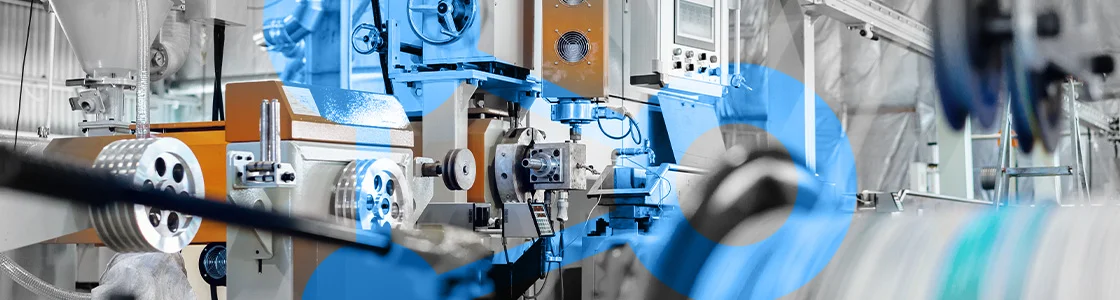
Machine Manufacturing Industry
Engineering plastics used in the machine manufacturing industry offer significant advantages over metal alternatives thanks to critical properties such as high mechanical strength, low friction coefficient, and wear resistance. They are particularly preferred in moving systems and applications where friction and weight need to be reduced. The plastic materials used in this sector consist of various engineering plastics such as POM-C, PA6, Cast PA6, PE, and PTFE, each selected according to different load, speed, and temperature conditions.Application Areas
Engineering plastics are used in a wide range of applications in machine manufacturing:- Gear systems: Plastic gears operating with low noise and low friction
- Bushing and bearing elements: Systems operating without lubrication or with low lubrication
- Slide and slider surfaces: Applications where friction needs to be minimized
- Shaft and carrier elements: Lightweight and durable parts operating under load
- Machine body and support parts: Components aimed at vibration damping and weight reduction
Technical Advantages
The reasons for choosing engineering plastics in the machine manufacturing sector can be technically summarized as follows:- Low friction: Reduces energy loss and increases system efficiency
- Wear resistance: Provides long service life and low maintenance requirements
- Lightweight: Reduces system weight compared to metal parts
- Corrosion resistance: Offers stable performance in humid and chemical environments
- Vibration and sound damping: Ensures quieter and more stable operation
Material Selection
Correct material selection is critical depending on the application:- POM-C: For precise and low-friction mechanical parts
- PA6: For load-bearing applications requiring impact resistance
- Cast PA6: For heavy load and thick-section parts
- PE: For sliding and wear surfaces
- PTFE: For applications requiring chemical resistance and high temperatures
Conclusion
Engineering plastics in the machine manufacturing sector contribute to the creation of longer-lasting, lighter, and more efficient systems. With the right material and correct design, maintenance costs are reduced, and production continuity is increased.
Automation Systems
Engineering plastics used in automation systems play a critical role in applications requiring low friction, dimensional stability, and repeatable precision. They are preferred to minimize wear, noise, and energy loss caused by metal parts in high-speed and continuously operating systems. The plastic materials used in these systems are notably materials such as POM-C, PA6, PE, and PTFE, ensuring stable and long-lasting operation between moving parts.Application Areas
Engineering plastics are used at the following critical points in automation lines:- Guide and slide systems: Provides low friction and precise guidance in linear movements
- Conveyor side guides: Ensures stable and smooth transport of products
- Gear and transmission elements: Offers silent and vibration-free power transmission
- Bushing and bearing systems: Offers long-lasting solutions capable of running unlubricated
- Vacuum and gripper system parts: Provides precise gripping and positioning
Technical Requirements
Basic properties expected from materials used in automation systems:- Low friction coefficient: Ensures smooth movement at high speeds
- Dimensional stability: Ensures the preservation of precise tolerances
- Wear resistance: Offers durability against continuous operation
- Low noise level: Creates a quiet working environment
- Chemical resistance: Provides resistance against cleaning and production chemicals
Material Selection
Correct material selection according to application type directly affects performance:- POM-C: Ideal for precise and low-friction moving parts
- PE: Suitable for sliding surfaces and conveyor applications
- PA6: Preferred for load-bearing parts exposed to impact effects
- PTFE: Used in applications requiring very low friction and chemical resistance
Conclusion
The use of engineering plastics in automation systems ensures the creation of faster, quieter, and more efficient production lines. With correct material selection, maintenance periods are reduced, and system continuity is maximized.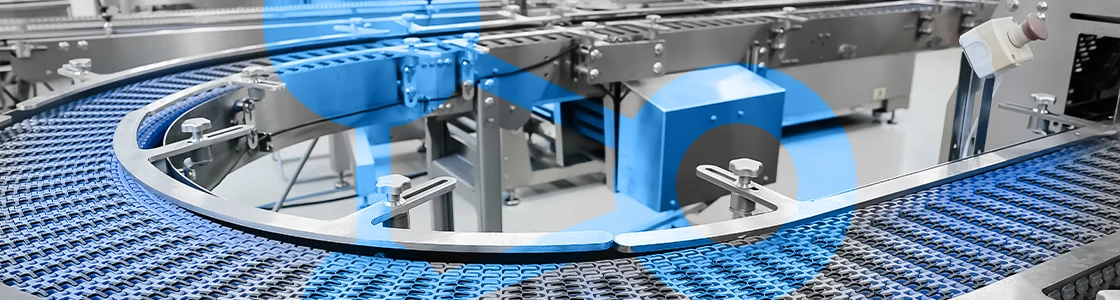
Conveyor Systems
Engineering plastics used in conveyor systems play a critical role in material handling processes with their low friction coefficient, high wear resistance, and quiet operation features. In continuously operating lines, they increase system efficiency and lifespan by reducing friction-induced energy losses and part wear. In this field, materials such as PE1000 (UHMW-PE), POM-C, PA6, and PTFE are particularly preferred. Each offers optimized performance according to different speed, load, and environmental conditions.Application Areas
Engineering plastics are widely used in the following components on conveyor lines:- Slide and slider surfaces: Provides smooth material transfer with low friction
- Side guides: Ensures stable movement of products along the line
- Chain and belt support elements: Offers wear-resistant surfaces
- Bearings and bushings: Provides low-maintenance bearing solutions
- Impact and protection plates: Provides surface protection in high-impact areas
Technical Advantages
The main technical advantages provided by the use of plastics in conveyor systems:- Very low friction: Reduces energy consumption and increases line speed
- High wear resistance: Offers long life against continuous operation
- Quiet operation: Provides lower noise levels compared to metal parts
- Non-stick surface: Prevents material accumulation and clogging
- Corrosion resistance: Offers reliable performance in humid and chemical environments
Material Selection
Correct material selection in conveyor applications directly affects performance:- PE1000: For lines requiring very low friction and high wear resistance
- POM-C: For precise and stably operating mechanical components
- PA6: For load-bearing parts exposed to impact effects
- PTFE: For special applications requiring non-stick properties and chemical resistance
Conclusion
The use of engineering plastics in conveyor systems provides lower energy consumption, less maintenance need, and a longer system lifespan. Maximum efficiency is achieved in conveyor lines with the right material and design.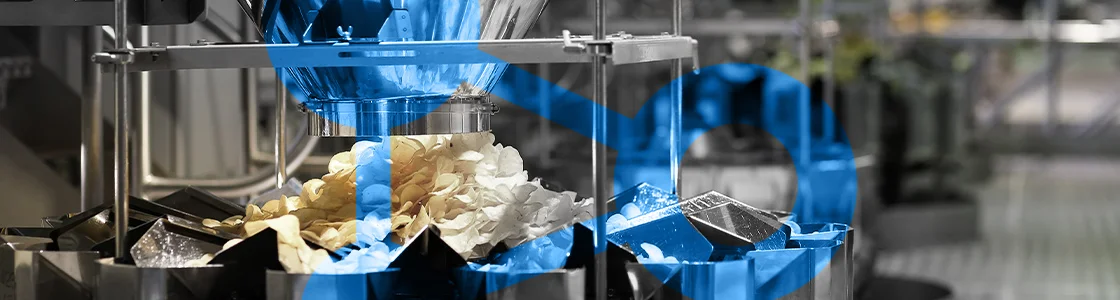
Food Machinery
Engineering plastics used in food machinery are preferred in critical applications where hygiene, chemical resistance, and low friction requirements must be met together. Materials used on production lines must be suitable for food contact and provide a cleanable surface structure. The plastics used in this field are materials such as POM-C, PE1000, PP, and PTFE, providing a non-stick surface and long-lasting performance.Application Areas
Engineering plastics are used in the following areas in food production and processing lines:- Conveyor guides and rails: Ensures smooth and stable transport of products along the line
- Cutting and processing equipment: Offers low-friction and hygienic surfaces
- Gear and transmission elements: Provides quiet and reliable mechanical transmission
- Filling and packaging system parts: Provides precise and repeatable movement
- Contact surfaces and protective parts: Offers a food-compatible, cleanable structure
Technical Requirements
Main technical criteria that materials used in food machinery must meet:- Suitability for food contact: Material structure complying with international standards
- Chemical resistance: Resistance to cleaning and disinfection chemicals
- Low friction: Facilitates product flow and prevents surface damage
- Non-stick property: Minimizes product residue formation
- Low moisture absorption: Ensures dimensional stability and hygiene
Material Selection
Materials preferred depending on the application:- PE1000: For sliding surfaces and conveyor applications
- POM-C: For precise mechanical parts and gear systems
- PP: For applications requiring chemical resistance and hygiene
- PTFE: For areas requiring non-stick properties and high temperatures
Conclusion
The use of engineering plastics in food machinery ensures the creation of highly efficient production lines that meet hygiene standards and require low maintenance.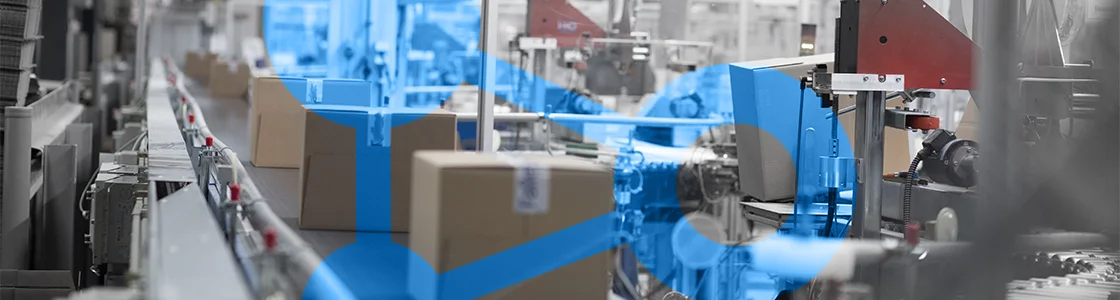
Packaging Machinery
Engineering plastics used in packaging machinery play a critical role in systems requiring high-speed operation, low friction, and repeatable precision.
In continuously and fast-operating lines, they increase production continuity by providing lower noise and less wear compared to metal parts.
Commonly used materials in this field are POM-C, PE, PA6, and PTFE, offering optimized performance according to different speed, load, and operating conditions.
Application Areas
Engineering plastics are used in the following components on packaging lines:
- Conveyor and guidance systems: Ensures smooth transport of products at high speeds
- Star wheels and transfer parts: Provides precise product guidance and positioning
- Gear and transmission elements: Offers silent and vibration-free power transmission
- Cutting and sealing mechanisms: Provides stable and repeatable operation performance
- Guide and protective parts: Ensures products advance without being damaged
Technical Requirements
Main features that materials used in packaging machinery must provide:
- Low friction coefficient: Ensures smooth movement at high speeds
- Wear resistance: Offers long life in continuous operation
- Dimensional stability: Ensures the preservation of precise tolerances
- Low noise level: Creates a quiet working environment
- Chemical resistance: Ensures compliance with cleaning and production environments
Material Selection
Engineering plastics preferred according to the application:
- POM-C: For precise and low-friction moving parts
- PE: For sliding surfaces and product contact points
- PA6: For load-bearing and impact-exposed parts
- PTFE: For special applications requiring non-stick properties and chemical resistance
Conclusion
The use of engineering plastics in packaging machinery ensures faster, quieter, and more stable production processes.
With the correct material selection, maintenance needs are reduced, and production efficiency is increased.
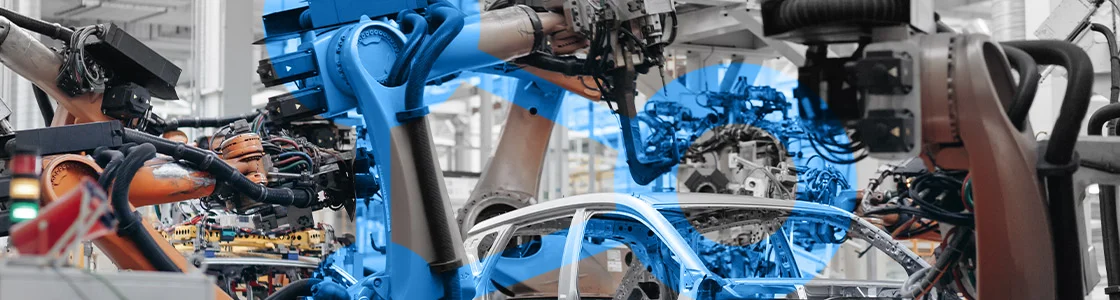
Automotive Sub-Industry
Engineering plastics used in the automotive sub-industry play a critical role in applications requiring high mechanical strength, wear resistance, and dimensional stability.
They offer lighter and quieter solutions compared to metal alternatives in systems exposed to continuous movement, vibration, and changing temperature conditions.
In this sector, high-performance engineering plastics such as POM-C, PA6, Cast PA6, PEEK, and PTFE are selected and used according to different load, temperature, and chemical effects.
Application Areas
Engineering plastics are used in the following areas in automotive manufacturing and sub-industry applications:
- Gear and transmission elements: Provides silent and low-friction power transmission
- Bushing and bearing systems: Offers solutions that require no oil or low maintenance
- Guide and slider parts: Provides stable guidance in moving components
- Engine compartment components: Temperature and vibration-resistant parts
- Insulation and spacer parts: Provides electrical and thermal insulation
Technical Requirements
Main features expected from materials used in automotive applications:
- High strength: Durability under dynamic and static loads
- Wear resistance: Long life in continuously moving systems
- Temperature resistance: Stable performance in and around the engine
- Low friction: Ensures energy efficiency and quiet operation
- Vibration damping: Increases system stability
Material Selection
Engineering plastics preferred according to application conditions:
- POM-C: For precise mechanical parts and gear systems
- PA6 / Cast PA6: For load-bearing and impact-exposed parts
- PEEK: For applications requiring high temperature and high performance
- PTFE: For areas requiring low friction and chemical resistance
Conclusion
The use of engineering plastics in the automotive sub-industry ensures the achievement of lighter, more efficient, and longer-lasting systems.
With the correct material selection, performance increases while maintenance costs are reduced.

Energy Sector
Engineering plastics used in the energy sector play a critical role in applications requiring high temperature resistance, chemical resistance, and long-term mechanical stability. In electricity generation facilities, renewable energy systems, and heavy industry infrastructures, they offer corrosion-resistant and low-maintenance solutions compared to metal alternatives. In this field, engineering plastics such as PEEK, PTFE, POM-C, PA6, and PP provide optimized performance against high temperature, pressure, and chemical effects.Application Areas
Engineering plastics are used in the following applications in energy generation and distribution systems:- Turbine and generator components: Wear and temperature-resistant parts
- Insulation elements: Components providing electrical and thermal insulation
- Sealing and gasket systems: Reliable performance under high pressure and temperature
- Pipe and flow systems: Chemical and corrosion-resistant surfaces
- Solar and wind energy equipment: Parts resistant to outdoor environmental conditions
Technical Requirements
Basic features that materials used in the energy sector must provide:- High temperature resistance: Stable performance in continuous and variable temperature conditions
- Chemical resistance: Durability against oil, gas, and aggressive chemicals
- Electrical insulation: Ensures a safe working environment
- Wear resistance: Prevents performance loss during long-term use
- Dimensional stability: Maintains its form under harsh conditions
Material Selection
Engineering plastics preferred according to application conditions:- PEEK: For high temperature and advanced engineering applications
- PTFE: For systems requiring chemical resistance and sealing
- POM-C: For precise and low-friction mechanical parts
- PA6: For load-bearing and impact-exposed components
- PP: For pipe and tank applications in chemical environments
Conclusion
The use of engineering plastics in the energy sector ensures the creation of safer, more durable, and longer-lasting systems. With the correct material selection, maintenance costs are reduced, and system efficiency is increased.
Defense and Aviation
Engineering plastics used in the defense and aerospace sectors are preferred in critical applications where the requirements of high temperature resistance, superior mechanical strength, and low weight must be met together. The materials used in these systems must offer dimensional stability and long-term performance even under harsh environmental conditions.
In this field, high-performance engineering plastics such as PEEK, PTFE, POM-C, and PA6 increase system efficiency by providing weight advantage and corrosion resistance compared to metal alternatives.
Application Areas
Engineering plastics are used in the following areas in defense and aerospace applications:
- In-flight mechanical components: Lightweight and durable moving parts
- Bearing and bushing systems: Long-lasting operation with low friction
- Insulation and spacer elements: Provides electrical and thermal insulation
- Sealing elements: Reliable performance under high pressure and temperature
- Precise mechanical parts: Stable operation in systems requiring tolerances
Technical Requirements
Main features that materials used in this sector must provide:
- High temperature resistance: Stable performance under extreme temperature conditions
- Low density: Increases efficiency by reducing system weight
- High strength: Provides durability under dynamic loads
- Chemical and environmental resistance: Resistant to harsh working environments
- Dimensional stability: Ensures the preservation of precise tolerances
Material Selection
Engineering plastics preferred according to application conditions:
- PEEK: For critical parts requiring high temperature and high performance
- PTFE: For applications requiring low friction and chemical resistance
- POM-C: For precise and low-friction mechanical components
- PA6: For load-bearing parts exposed to impact effects
Conclusion
The use of engineering plastics in the defense and aerospace sector ensures the creation of lighter, more durable, and more reliable systems.
With the correct material selection, performance is increased, and system lifespan is extended.
